
Consumer weather stations are built for curiosity. Professional-grade stations are built for decisions: when to irrigate, when to ground a drone flight, when to trust a temperature reading enough to put it in a research dataset. The difference usually comes down to three things — sensor accuracy and calibration, update frequency, and how the station handles solar radiation error in temperature readings (fan aspiration versus passive shielding).
Professional Weather Stations for Agriculture: Protect Crops, Optimize Irrigation
Farm operations need wide coverage, solar and UV data for crop stress modeling, and reliable range across large properties where the console isn’t always near the sensors.
- Irrigation timing — solar radiation and evapotranspiration inputs reduce over-watering
- Frost protection — real-time temperature alerts ahead of a freeze event
- Long-range coverage — sensors and console are rarely in the same building on a working farm
Recommended setup: Davis Vantage Pro2 Plus with UV and Solar Sensors and WeatherLink Console (6262) as the core station, paired with the Complete Soil Moisture and Temperature Station and optionally a Davis Wireless Long-Range Repeater (7654) to extend coverage up to 1.2 miles across fields and outbuildings.
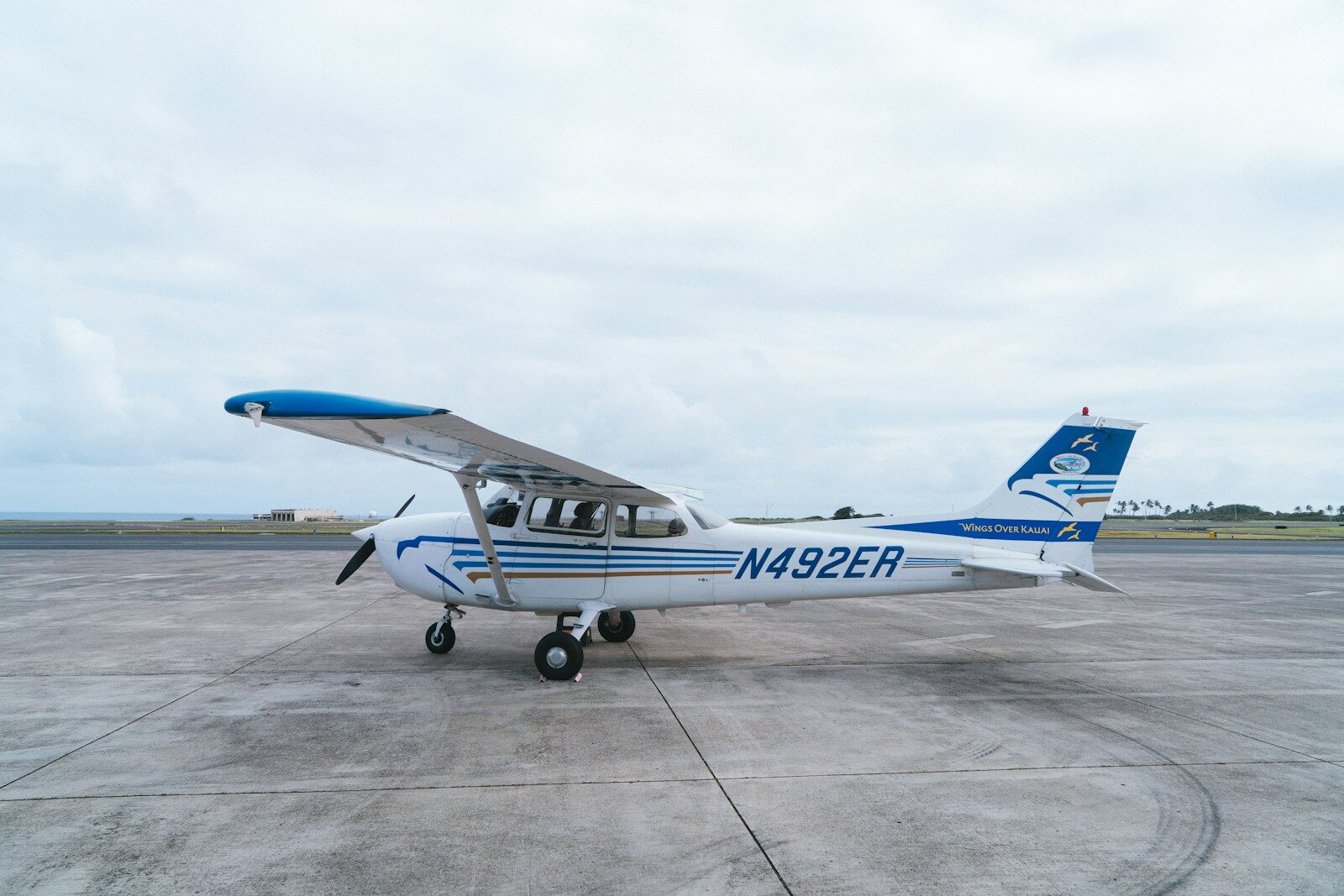
Professional Weather Stations for Aviation & Airfield Operations
Small airfields, helipads, gliding clubs, and drone operators need fast-updating, wide-range wind data more than anything else. Gust behavior and crosswind components drive go/no-go decisions, and a sensor that saturates or lags in high wind is worse than no sensor at all.
- Wind speed range — needs to stay accurate well past typical operating limits, not just average conditions
- Update speed — gust and shift detection depends on frequent readings, not a slow refresh
- Fan-aspirated temperature — matters for density altitude and performance calculations
Recommended setup: Davis Vantage Pro2 Plus with 24-Hr Fan Aspiration, UV and Solar Sensors, and WeatherLink Console (6263) for aspirated, research-grade temperature accuracy.
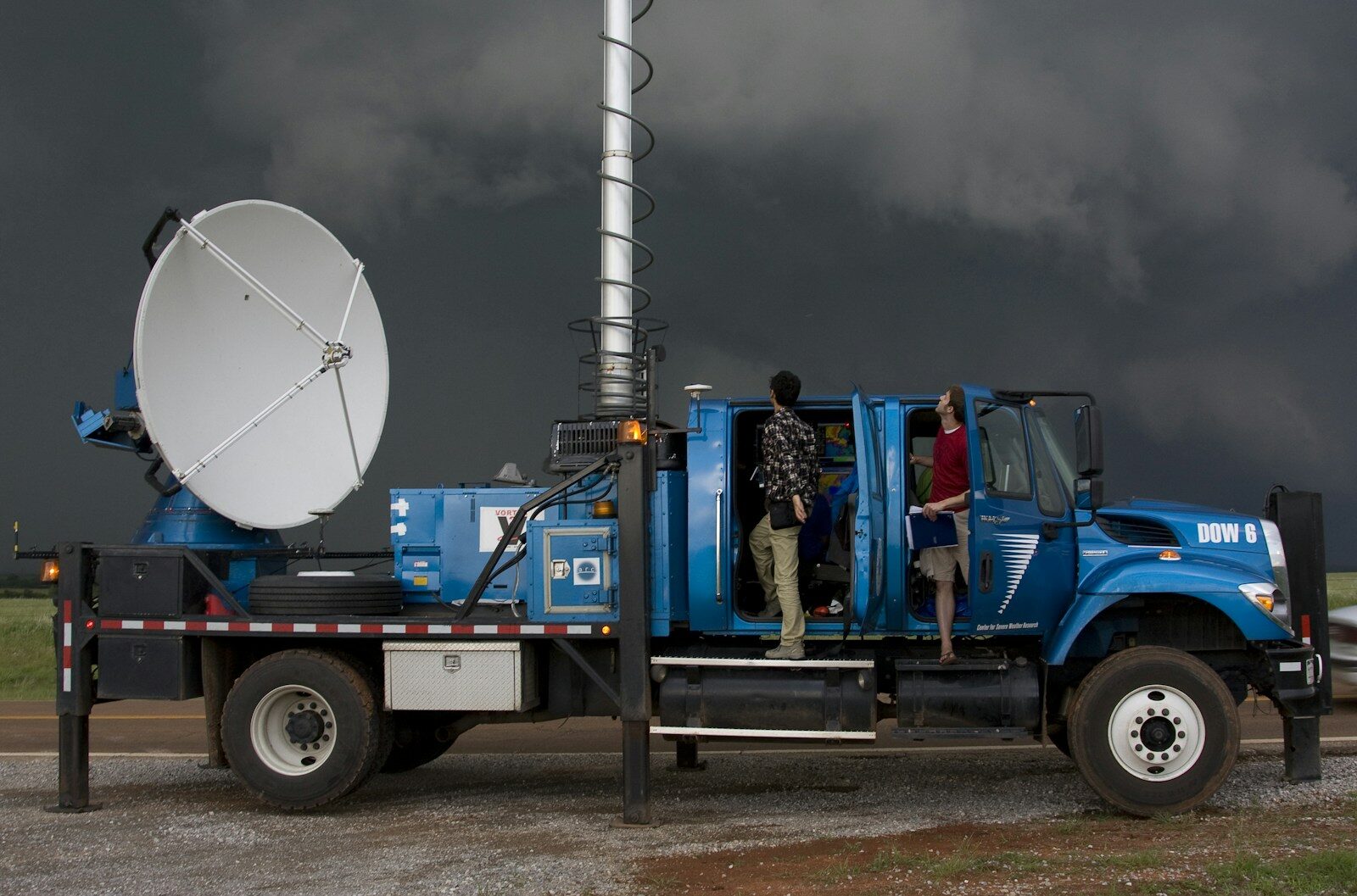
Professional Weather Stations for Research & Environmental Monitoring
Universities, environmental consultants, and serious hobbyist-researchers need defensible accuracy and a data trail — fan aspiration to eliminate solar heating error, frequent logging, and export options that plug into existing analysis workflows.
- Fan-aspirated shielding — removes the daytime radiant heating bias passive shields can’t fully block
- Full-spectrum sensing — solar radiation and UV alongside the core parameters
- Data export — WeatherLink data can be pulled for CSV/API use in external analysis tools
Recommended setup: Davis Vantage Pro2 Plus with 24-Hr Fan Aspiration (6263) as the primary logging instrument. For sites that also want a fully mechanical, power-independent backup or a visual instrument cluster, the Maximum Professional Weather Station (Analog) pairs an aneroid barometer, remote thermometer, and wind-powered anemometer that keep reporting with zero electronics in the loop.
Spec Comparison
| Feature | Vantage Pro2 Plus (6262) | Vantage Pro2 Plus, Fan-Aspirated (6263) | Vantage Vue | Maximum Professional (Analog) |
|---|---|---|---|---|
| Price | $1,480 | $1,870 | from $725 | $2,225 |
| Best for | Agriculture, general commercial | Aviation, research | Small property, entry commercial | Research backup, analog redundancy |
| Temperature shielding | Passive radiation shield | 24-hr fan-aspirated | Passive radiation shield | Remote analog sensor |
| Solar & UV sensors | Included | Included | Not included | Not included |
| Wind speed range | 1–200 mph | 1–200 mph | 1–200 mph | 0–100 mph (standard scale) |
| Update interval | 2.5 seconds | 2.5 seconds | 2.5 seconds | Continuous mechanical |
| Wireless range | 1,000 ft (extendable to 1.2 mi with repeater) | 1,000 ft (extendable to 1.2 mi with repeater) | 1,000 ft | Wired, no wireless |
| Power dependency | Solar + battery backup | Solar + battery backup | Solar + battery backup | None (wind-powered anemometer, mechanical barometer) |
Extending Range and Coverage
Any Vantage Pro2 or Vantage Vue station can be extended with a Davis Wireless Repeater (up to 1,000 ft per hop, up to 8 repeaters chained) or a Davis Long-Range Repeater with Omni and Yagi antennas (up to 1.2 miles) — useful for large farms, airfield perimeters, and multi-building research sites where the console can’t sit next to the sensor suite.
Why Choose Cirrusly Weather
- Direct access to Davis, Maximum, and Climalytic professional instrument lines
- Guidance from a team that understands the accuracy trade-offs between passive and fan-aspirated shielding
- In-stock repeaters, antennas, and mounting hardware to extend coverage the same day
- Support for WeatherLink data export into external research or operations workflows
Frequently Asked Questions
Do I need fan aspiration for agriculture use? Not always — passive shielding on the 6262 is accurate enough for most irrigation and frost-timing decisions. Fan aspiration earns its cost when the data feeds a formal dataset or a safety-critical decision, which is why it’s the default recommendation for aviation and research.
Can these stations cover a large property without losing signal? Yes. The standard wireless range is 1,000 feet, but a Long-Range Repeater with the correct antenna combination extends that to roughly 1.2 miles, and up to eight repeaters can be chained for larger sites.
Is an analog station ever the right choice for research? Mainly as a backup. The Maximum Professional’s wind-powered anemometer and mechanical barometer keep working with no electronics or power source, which makes it a useful redundancy layer alongside a primary digital logging station.