
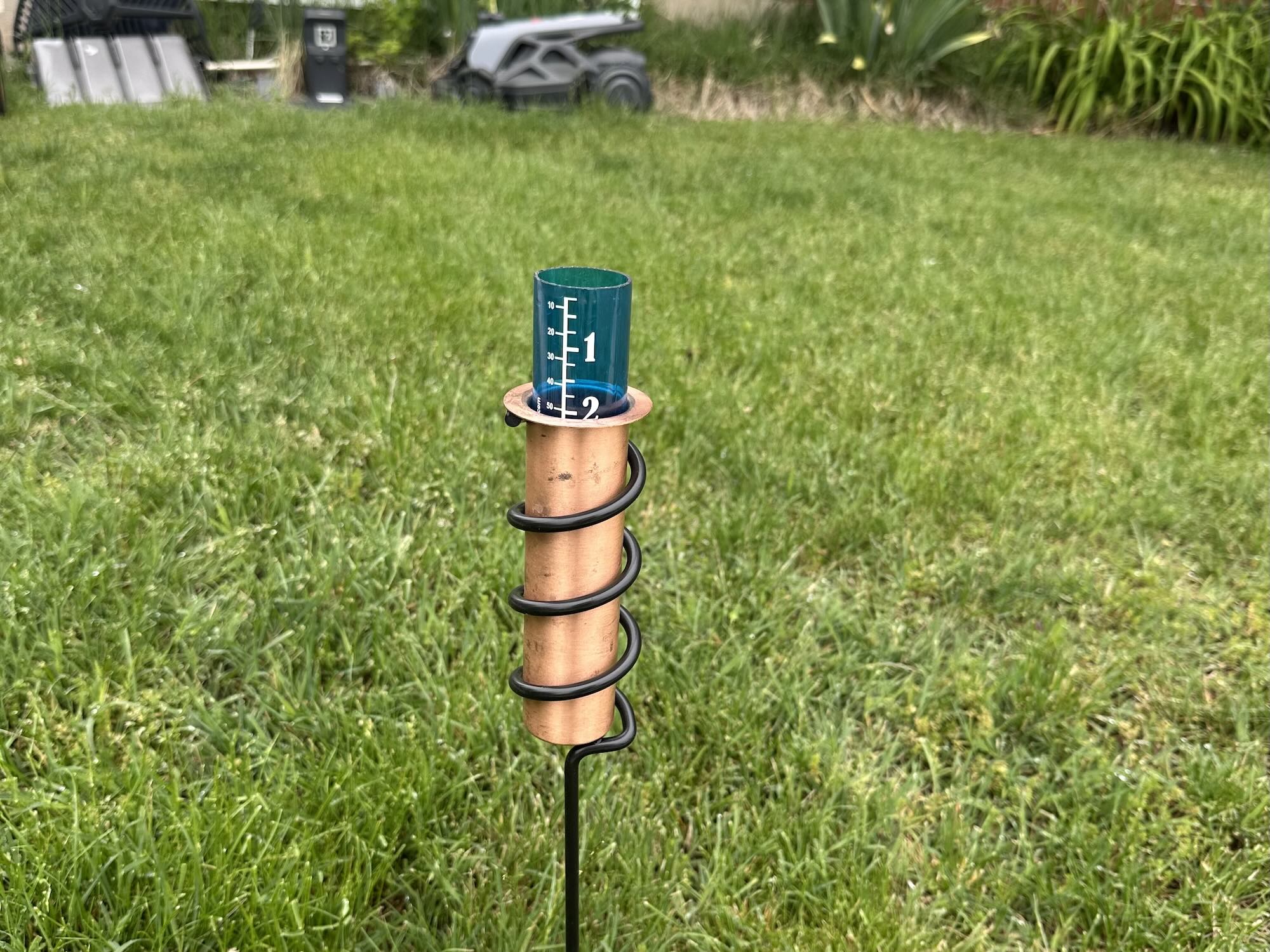
Rain gauge accuracy is critical for gardeners tracking watering needs, weather enthusiasts conducting observations, and anyone monitoring precipitation for flood risk or climate data.
Yet not all rain gauges are created equal. Differences in opening diameter, precision markings, and design can shift readings by a half inch or more, leading to missed irrigation windows or inaccurate weather records. This guide breaks down what makes a rain gauge accurate.
Understanding Rain Gauge Accuracy
So, what makes a rain gauge “accurate?” Five factors play a significant role.
1. Catchment Diameter
The size of the funnel or opening that collects rain (called “catchment”) is the single biggest factor in accuracy. The industry standard is at least 4 inches (10 cm) for reliable manual gauges. Smaller openings collect less water and are more prone to wind-driven errors and splash losses.
- 4-inch and larger openings: Better representativeness of rainfall, less evaporation loss, less wind interference. Required for citizen science networks like CoCoRAHS.
- Smaller openings: More portable, but may underestimate precipitation
2. Measuring Precision
Measurement increments range from coarse (¼-inch or ⅛-inch tick marks) to ultra-precise (0.01 inch). Professional and hobbyist weather observers prefer finer gradations (⅛-inch or smaller) to detect meaningful changes.
3. Debris and Insect Protection
Rain can carry leaves, pollen, and insects. Screened funnels or sealed housings prevent debris from collecting in the measuring tube, which falsifies results. Digital gauges with sealed collectors are inherently more protected than open analog models.
Some rain gauges will also include bird spikes, which prevent birds from perching on the side of your rain gauge and dropping objects into the gauge itself, preventing accurate readings.
4. Mounting Stability and Wind Resistance
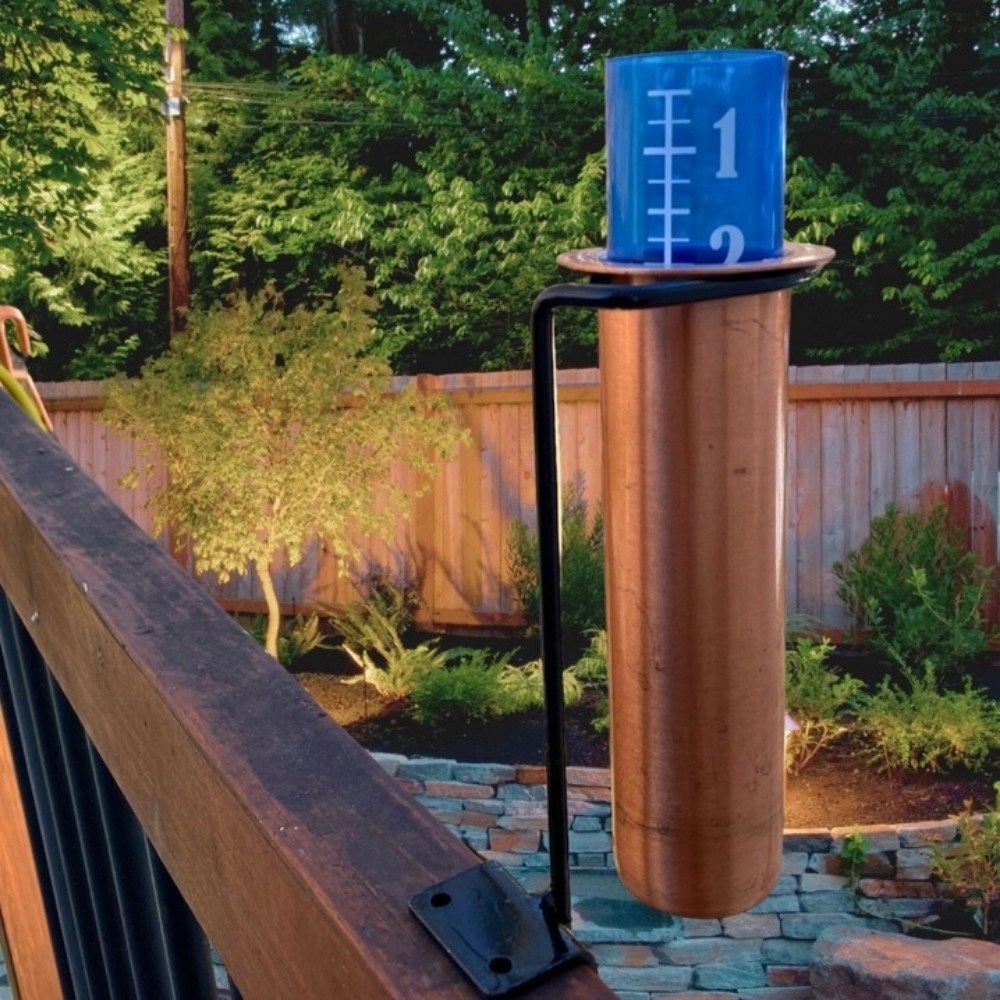
Wind can tilt or tip freestanding gauges, introducing error. Best practice: mount on a post or bracket at a stable height, away from buildings and trees that create wind shadows or cause rain to splash sideways into the collector. Pole-mounted designs are more reliable than stake-in-ground freestanding units.
5. Capacity and Measurement Range
Analog gauges typically measure up to 5–11 inches before the tube fills, depending on whether the tube is a single tube or a smaller tube surrounded by a larger tube to prevent overflow. Digital tipping-bucket models auto-empty, allowing unlimited rainfall measurement but requiring power.
Types of Rain Gauges
Analog (Manual) Rain Gauges
How they work: A funnel collects rain into a graduated tube. You read the water level directly, usually from the side or top of the tube. Our World’s Coolest Rain Gauges are an example of an analog gauge.
- Pros: No batteries, long lifespan, simple to understand, aesthetic appeal (especially copper models)
- Cons: Requires manual daily reading, prone to evaporation on hot days, less precise than digital
- Best for: Gardeners, outdoor enthusiasts, weather hobbyists who enjoy hands-on observation
Digital Rain Gauges
How they work: A tipping-bucket mechanism collects rain until a small lever-actuated bucket tips, triggering an electronic count. The display shows total accumulation without human intervention.
- Pros: More precise (often 0.01-inch resolution), auto-records heavy rainfall, no evaporation loss, can connect to data loggers
- Cons: Requires power (batteries or solar), moving parts may jam, higher cost
- Best for: Serious weather observers, flood monitoring, integration with weather stations
Wireless Rain Gauges
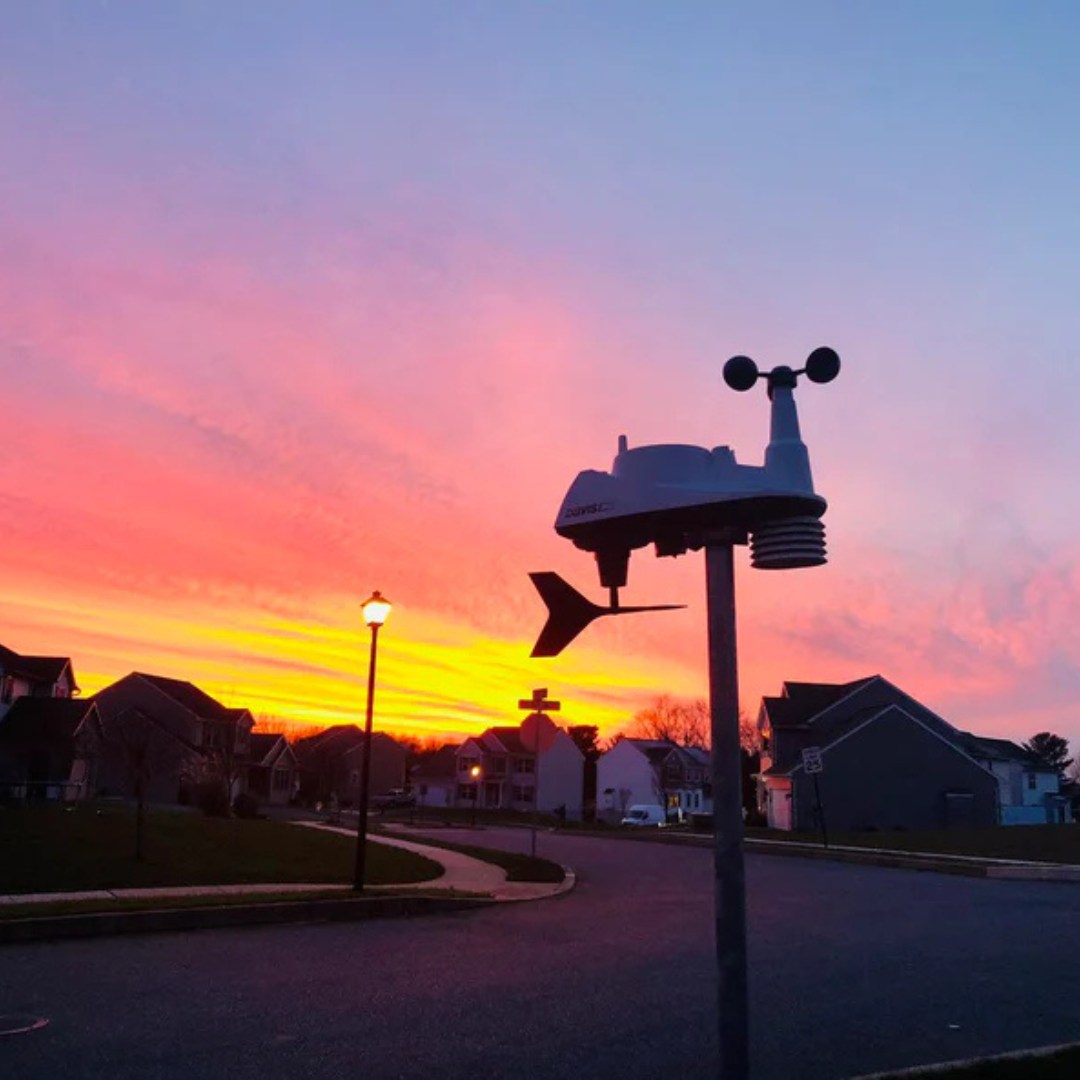
How they work: Digital bucket mechanism transmits data to an indoor console or app via radio signal (often 100–300 feet). Davis weather stations use wireless rain gauges.
- Pros: Real-time data on your phone, no need to go outside to check, integrates with smart home systems
- Cons: Signal range limits placement, battery life varies (3–12 months), less durable than hard-wired designs
- Best for: Tech-savvy homeowners, those integrating with weather stations, frequent monitoring
Choosing Your Rain Gauge: Decision Guide
For Casual Gardeners
You need to know roughly how much it rained to adjust watering. An analog gauge with ¼-inch markings (like the La Crosse Easy Read or a World’s Coolest model) is sufficient. Budget: $15–$50.
For Serious Weather Hobbyists
You want finer precision (⅛-inch or 0.01-inch markings), consistent readings, and possibly data logging. Choose the Headwind Classic EZRead (analog) or La Crosse 724-1409 (digital). Budget: $40–$60.
For Citizen Science Contributors
If submitting observations to CoCoRaHS or similar networks, you need 0.01-inch precision and a large opening (4 inches+). Digital gauges or high-end analog models are mandatory. Budget: $50+.
For Smart Home Integration
Choose a wireless gauge like the AcuRite 00899 that connects to your weather station or app. Ensure compatibility with your existing system. Budget: $40–$100+.
For Aesthetic Preference
If your rain gauge is visible in your garden or patio, the World’s Coolest copper models deliver both style and accuracy. Budget: $30–$50.
Installation Tips for Maximum Accuracy
- Height: Place your gauge 3–5 feet above ground to reduce splash from hard rain impact and nearby surfaces
- Location: Position away from buildings, walls, trees, and structures that create wind shadows or cause wind-driven rain to miss the opening
- Open space: Aim for at least 3–4 feet of clearance in all directions (further if possible)
- Stability: Stake securely (for freestanding) or use a robust mounting bracket (for post/wall mounts)
- Level: Ensure the gauge sits level; a tilt introduces systematic bias
- Regular maintenance: Check for debris weekly during rainy seasons, and empty the collection tube if it overflows
Final Thoughts
The best rain gauge depends on your accuracy needs, budget, and monitoring style. A 4-inch opening with fine measurement precision (⅛-inch or smaller) will serve you well whether you choose analog or digital. If aesthetics matter, copper rain gauges offer durability and style. And if you want real-time data without daily outdoor checks, wireless digital gauges provide convenience for gardeners and weather enthusiasts alike.
Whatever you choose, consistent placement and regular maintenance will give you the most accurate rainfall data year after year.