
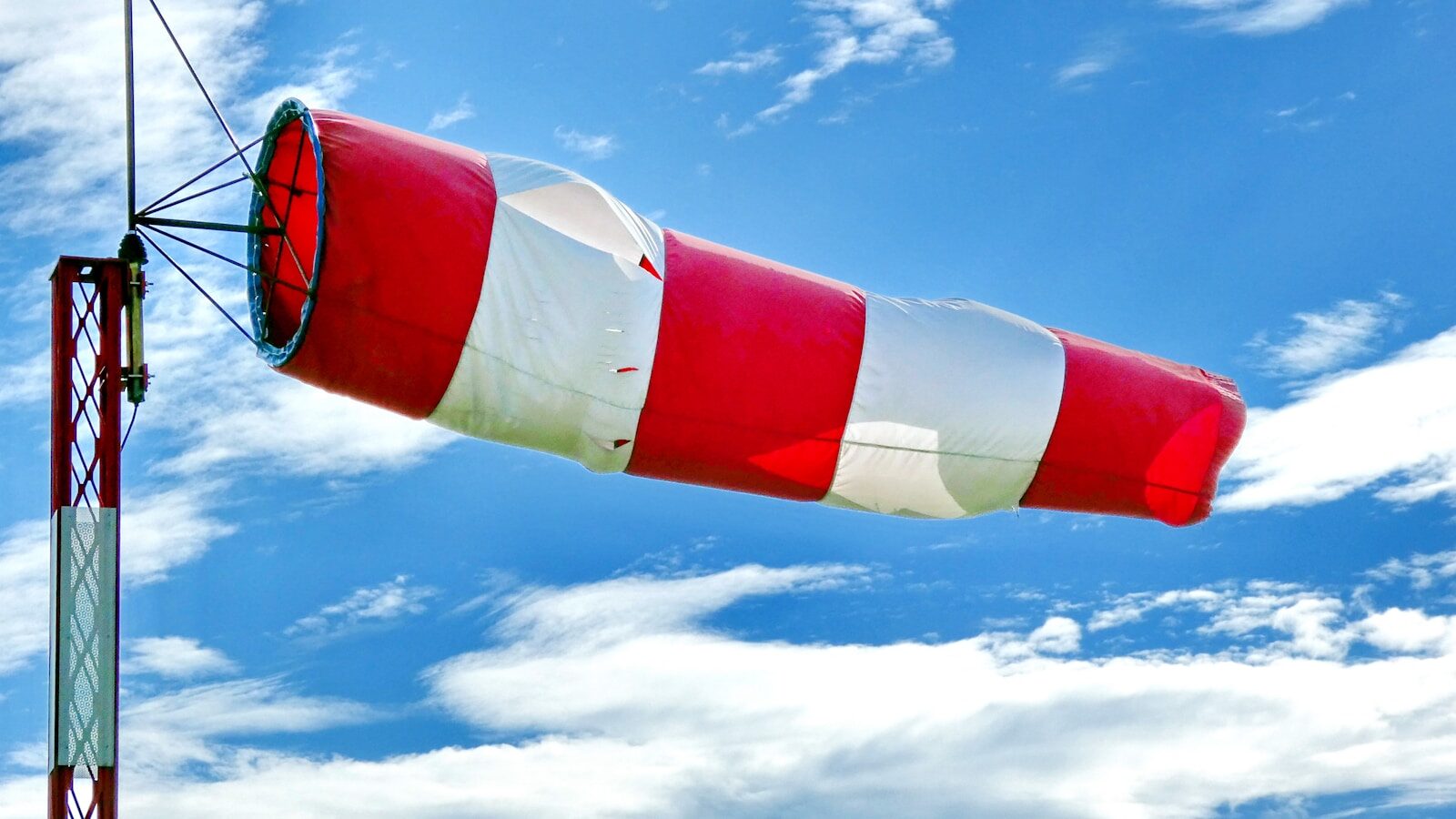
Wind speed is a critical measurement in weather observation, whether you’re managing a farm, planning outdoor activities, or simply curious about atmospheric conditions. Different wind speeds have profound effects on safety, activities, and weather prediction. Understanding wind speed ranges and how to measure them is essential for anyone working with weather data.
Why Wind Speed Matters
Wind speed affects nearly every aspect of our daily lives: agricultural productivity, aviation safety, maritime conditions, outdoor activity planning, and structural integrity during storms. Accurate wind measurement helps meteorologists issue weather warnings, farmers prepare crops, pilots make flight decisions, and weather enthusiasts understand atmospheric conditions.
The Beaufort Scale
One way to estimate wind speed by eye is the Beaufort Scale.
Developed by Admiral Francis Beaufort in 1805, it categorizes wind speed by observable effects on land and sea. It provides a standardized way to describe wind conditions without instruments.
| Force | Wind Speed (mph) | Wind Speed (knots) | Description | Observable Effects |
|---|---|---|---|---|
| 0 | 0–1 | 0–1 | Calm | Smoke rises vertically; water mirror-like |
| 1 | 1–3 | 1–3 | Light Air | Smoke drifts; water ripples slightly |
| 2 | 4–7 | 4–6 | Light Breeze | Leaves rustle; small ripples on water |
| 3 | 8–12 | 7–10 | Gentle Breeze | Leaves and twigs move; dust raised |
| 4 | 13–18 | 11–16 | Moderate Wind | Small branches move; loose paper blows away |
| 5 | 19–24 | 17–21 | Fresh Wind | Small trees sway; crested waves on water |
| 6 | 25–31 | 22–27 | Strong Wind | Large branches sway; umbrella difficult to use |
| 7 | 32–38 | 28–33 | Near Gale | Whole trees sway; walking against wind difficult |
| 8 | 39–46 | 34–40 | Gale | Twigs break; wind noticeably impedes walking |
| 9 | 47–54 | 41–47 | Strong Gale | Slight structural damage occurs; roof tiles dislodged |
| 10 | 55–63 | 48–55 | Storm | Rare inland; trees uprooted; structural damage |
| 11 | 64–72 | 56–63 | Violent Storm | Widespread damage; devastation common |
| 12+ | 73+ | 64+ | Hurricane/Typhoon | Extreme devastation; major infrastructure damage |
The Wind’s Effects on Your Activities
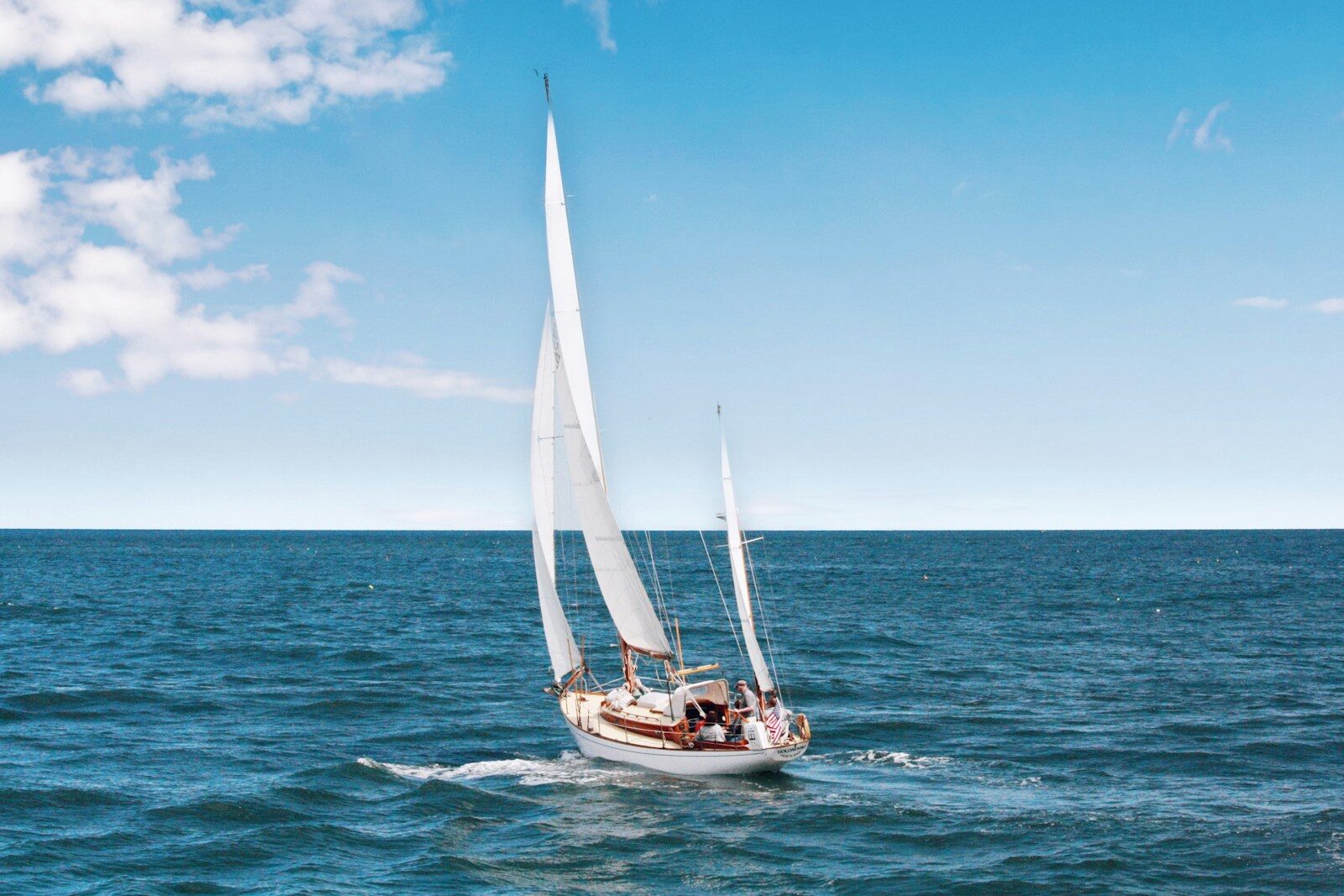
While wind is desirable for some activities — think sailing or kite flying — it may hinder your daily activities otherwise. Using the Beaufort Scale, we’ve described the ideal wind speeds for various activities.
Calm to Light Breeze (0–3 mph)
At these wind speeds, outdoor conditions are ideal for most activities. Smoke rises vertically, indicating minimal air movement.
Light Breeze (4–10 mph)
Light breezes create pleasant outdoor conditions. Leaves rustle noticeably, and small ripples form on water. Perfect for casual outdoor activities, light construction work, and comfortable outdoor recreation.
Moderate Wind (11–20 mph)
Moderate winds begin to affect outdoor activities. Small branches move, and outdoor activities like kite flying or light windsurfing become viable. Dust may be raised, affecting visibility slightly.
Strong Wind (21–31 mph)
Strong winds limit outdoor activities and begin to create hazards. Large branches sway noticeably, and it becomes difficult to walk against the wind. Small craft warnings are typically issued for maritime activities.
Severe Gale to Storm (32–63 mph)
These conditions create significant hazards. Whole trees sway, structural damage becomes possible, and outdoor activities should be avoided. Dangerous for maritime traffic and aviation.
Storm/Hurricane-Force (64+ mph)
Extreme wind speeds cause widespread damage, uprooted trees, and major structural failures. These conditions are life-threatening and require immediate shelter. These wind speeds are rarely seen inland: typically they’re found in severe thunderstorms or landfalling tropical systems.
The Beaufort Scale does not estimate wind speeds for tornadoes. The Enhanced Fujita Scale is used for that and uses observed damage to structures and objects to estimate wind speed.
How to Measure Wind Speed
Anemometers
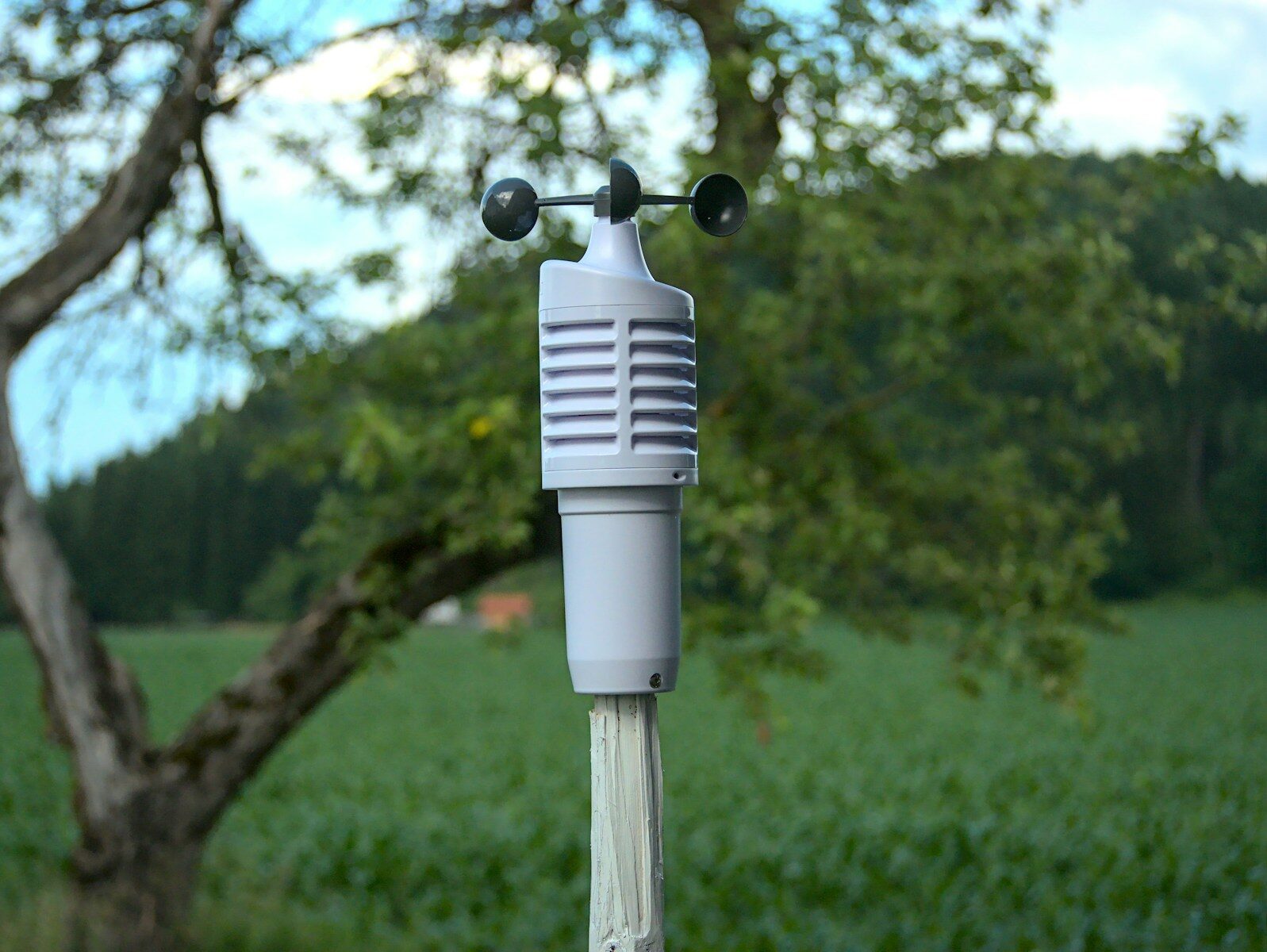
Anemometers are the primary instruments for accurate wind speed measurement. Cup anemometers use rotating cups to measure wind speed via rotation rate, while ultrasonic anemometers use sound wave propagation for high-precision readings without moving parts. Electronic anemometers integrate into weather stations for continuous monitoring and data logging.
The Beaufort Visual Scale
The Beaufort Scale provides a reliable visual assessment method based on observable environmental effects. This non-instrumental approach has been used for centuries and remains valuable for quick wind estimates, but should only be considered a rough estimate of the wind speed.
The Beaufort scale is more accurate for lighter winds, but in stronger winds it will be far less precise.
Weather Station Integration
Modern weather stations like the Davis Vantage Vue and Vantage Pro2 combine anemometers with data logging systems, allowing continuous wind monitoring and historical trend analysis. Professional and hobbyist weather stations alike use electronic sensors to capture wind speed, direction, and gust data for comprehensive atmospheric monitoring.
Practical Applications for Weather Enthusiasts
Understanding wind speed ranges helps weather hobbyists, students, and outdoor enthusiasts make informed decisions about safety, activity planning, and weather prediction. With the right instruments—like cup or ultrasonic anemometers—you can join the global community of weather observers and contribute valuable data to atmospheric science.
Whether you’re setting up a home weather station, tracking local wind patterns for agricultural planning, or simply satisfying your curiosity about atmospheric conditions, accurate wind measurement is essential. Modern electronic anemometers make wind speed monitoring accessible to everyone.