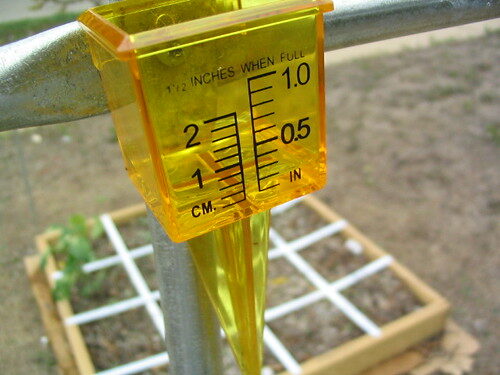
Type “rain gauge” or “how much rain did we get” into a search bar and you’ll get two very different answers. Weather apps estimate conditions; physical instruments measure what’s actually falling in your yard.
If you’re not sure which one solves your problem, you’re not alone.
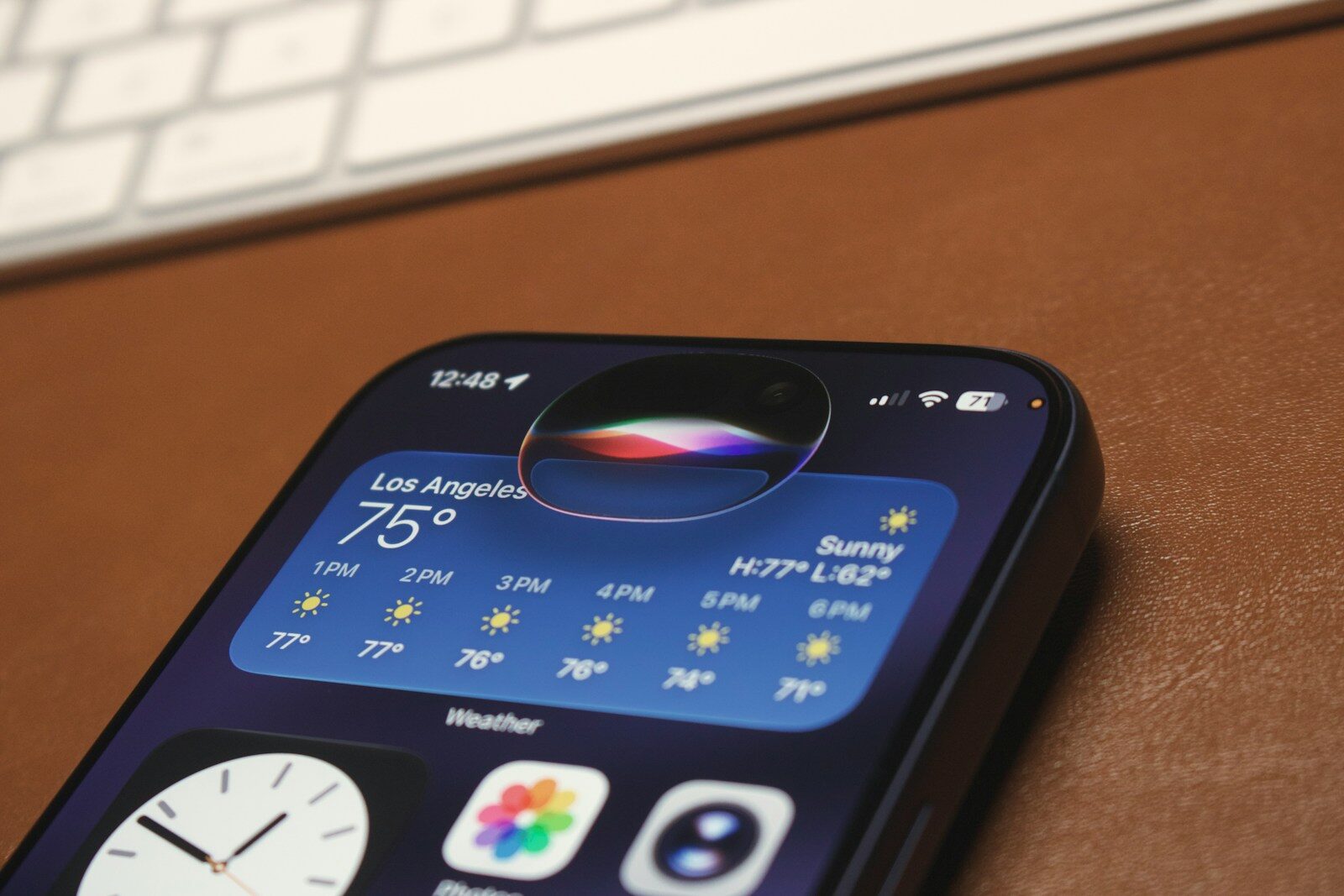
Why Weather Apps Fall Short for Local Conditions
Most weather apps don’t measure anything. They interpolate data from the nearest official station or from radar-estimated rainfall, which can be off by a significant margin.
- Rainfall is highly localized — a storm can drop an inch on one side of town, and nothing three miles away. An app shows one number for the whole area.
- Radar-estimated precipitation is a model, not a measurement, and it’s known to under- or over-report actual accumulation.
- Apps depend on a data connection and a charged device — not ideal during the power outages that often come with severe weather.
- App data can’t be submitted to citizen-science networks like CoCoRaHS, which require a physical, calibrated gauge reading.
What a Physical Gauge Gives You That an App Can’t
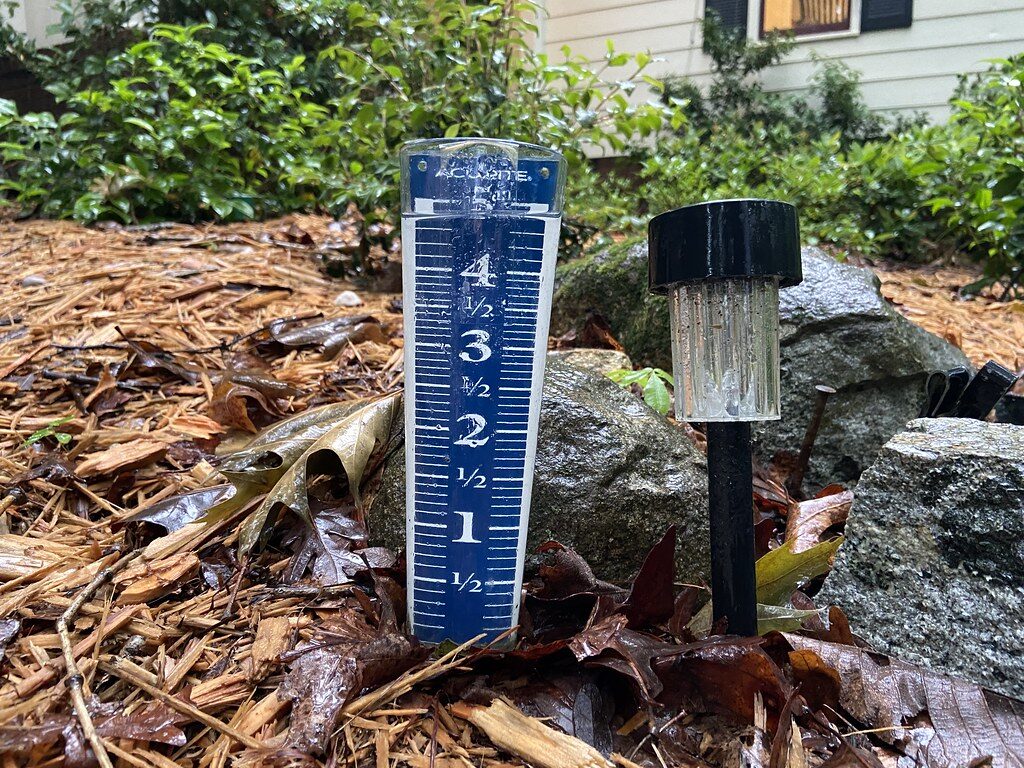
A physical rain gauge, thermometer, barometer, or anemometer measures the actual air, water, and pressure at your specific location. That distinction matters more than it sounds.
- Exact, local readings. What’s in the gauge is what fell on your property, full stop — no interpolation.
- No power, no subscription, no dependency. A mechanical or analog gauge works in a blackout and never needs an app update.
- Instant, glanceable readings. Walk outside, look at the tube or dial — done. No unlocking a phone or waiting for a refresh.
- Citizen-science eligible. Networks like CoCoRaHS require an approved physical gauge for submitted reports — a weather app reading doesn’t qualify.
- Teaches real observation skills. Gardeners, farmers, and hobbyists get a hands-on feel for their own microclimate that a dashboard number doesn’t provide.
When a Weather App Still Makes Sense
Apps aren’t useless — they’re the right tool for forecasts, radar tracking, and regional trends over the next hours or days. If you want to know whether it’s going to rain this afternoon, an app is faster than a gauge. The gap is in the past tense: apps are weak at telling you precisely what already happened at your address.
Weather App or Rain Gauge? Use Both
| Need | Weather App | Physical Gauge |
|---|---|---|
| Forecast for tomorrow | Best tool | Not applicable |
| Exact rainfall at your address | Estimate only | Precise measurement |
| Works during a power/data outage | No | Yes (analog/mechanical models) |
| CoCoRaHS-eligible reporting | No | Yes, with an approved gauge |
| Ongoing cost | Sometimes (subscription tiers) | One-time purchase |
Most serious backyard weather watchers end up using both: an app for the forecast, and a physical instrument for ground truth. If you’re ready to add the measurement side, check out our Rain Gauges.