
Analog weather stations offer a timeless approach to monitoring atmospheric conditions without relying on digital displays, batteries, or complicated electronics. These mechanical instruments have been trusted by weather enthusiasts, outdoor adventurers, and professionals for centuries—and they remain highly effective today.
Why Choose an Analog Weather Station?
Analog weather instruments like those offered by Maximum Weather Instruments provide several distinct advantages over their digital counterparts:
- No batteries required: Mechanical instruments can operate purely through air pressure, temperature, and moisture changes. Once installed, they work indefinitely without power in many cases.
- Durability: With no electronics to fail, analog instruments can withstand harsh weather and temperature extremes. Many vintage analog stations still function perfectly after decades of use.
- No maintenance: Unlike wireless sensors that need battery replacement and digital displays that require recalibration, analog instruments require minimal upkeep.
- At-a-glance readings: Dial-based displays provide instant visual feedback without scrolling through menus or checking apps.
- Aesthetic appeal: Analog weather stations are beautiful instruments that serve as functional home décor or office displays.
Main Types of Analog Weather Instruments
Barometers
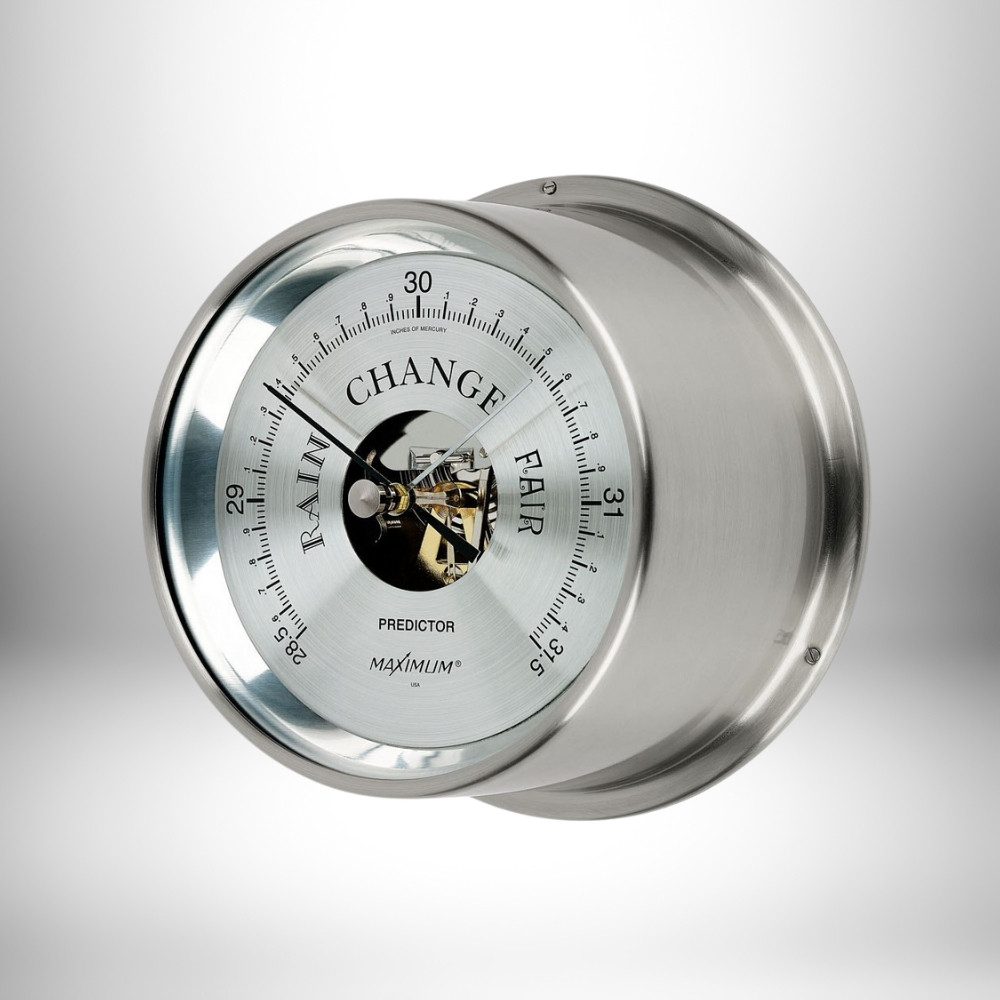
Barometers measure atmospheric pressure, which is one of the most reliable predictors of weather changes. Analog barometers come in three primary styles:
- Mercury barometers: The most accurate type, using a column of mercury to indicate pressure. These are precise but require careful handling and are less common in modern homes.
- Aneroid barometers: Use a sealed metal chamber that expands and contracts with pressure changes, driving a needle across a dial. These are affordable, durable, and ideal for homes and offices.
- Barograph: A recording barometer that traces pressure changes on a rotating drum over time, creating a visual record of pressure trends.
Thermometers
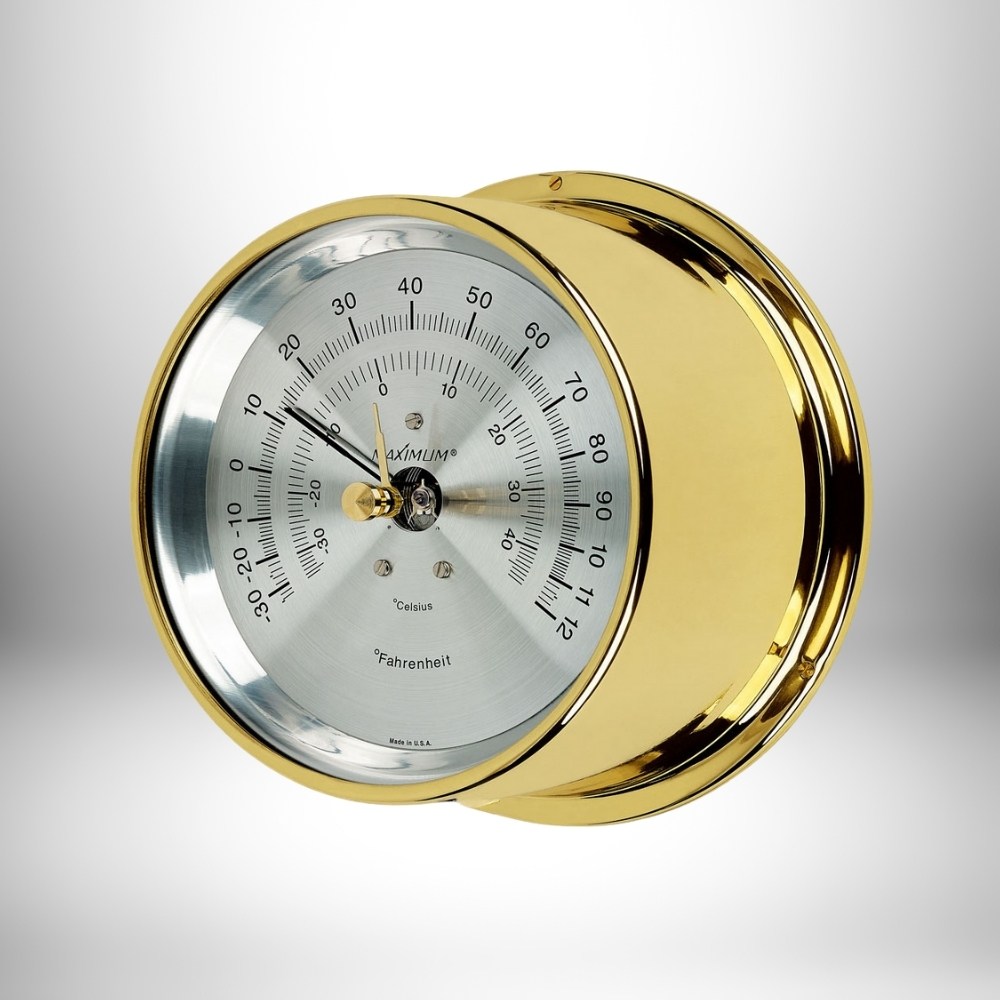
Analog thermometers display temperature through liquid expansion (typically alcohol or mercury) in a sealed glass tube. They require no power and provide instant, reliable readings. Outdoor analog thermometers are often paired with barometers in weather station combinations.
Anemometers
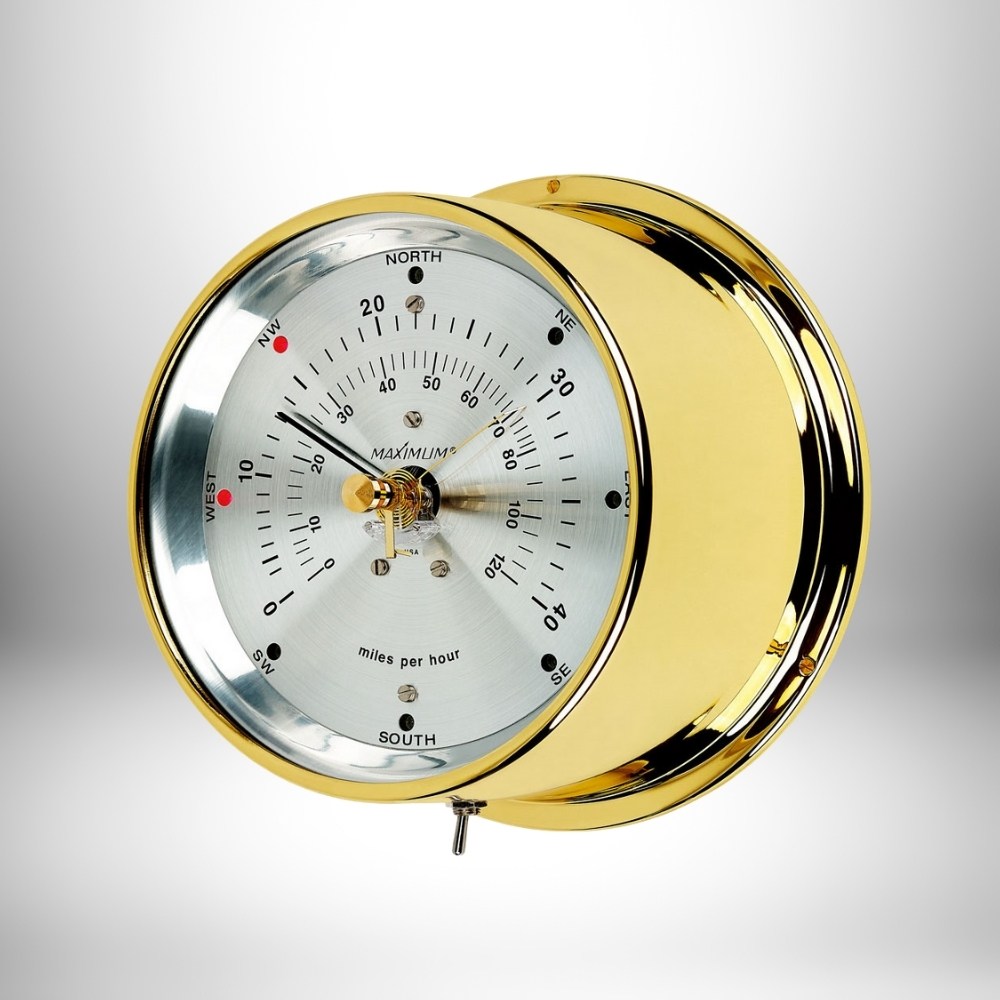
Mechanical anemometers measure wind speed using rotating cups. As wind spins the cups, the rotation is translated into a wind speed reading on a dial. Analog anemometers are particularly useful for sailors, pilots, and outdoor enthusiasts who need reliable wind data.
Rain Gauges
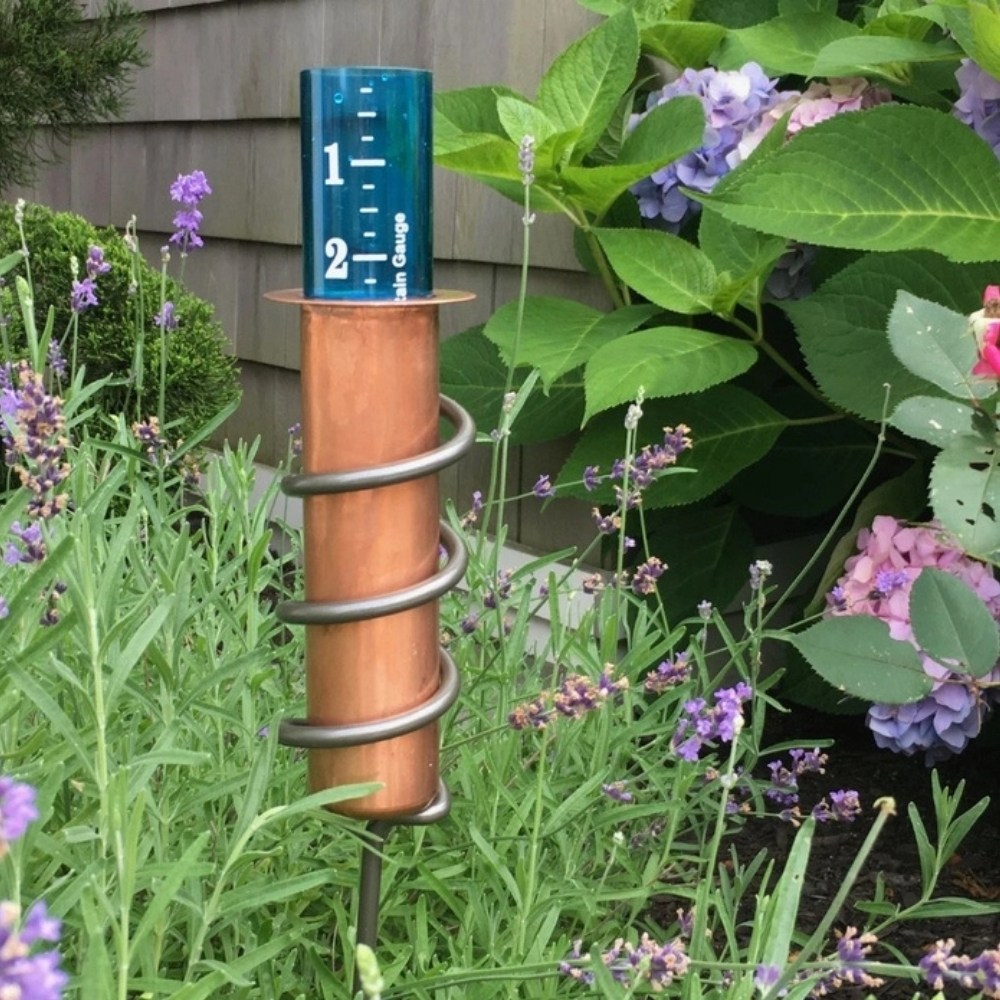
Simple and effective, analog rain gauges use a graduated cylinder or tube to measure accumulated rainfall. Many feature a tipping bucket mechanism that provides visual feedback with each measured increment of rain.
Hygrometers
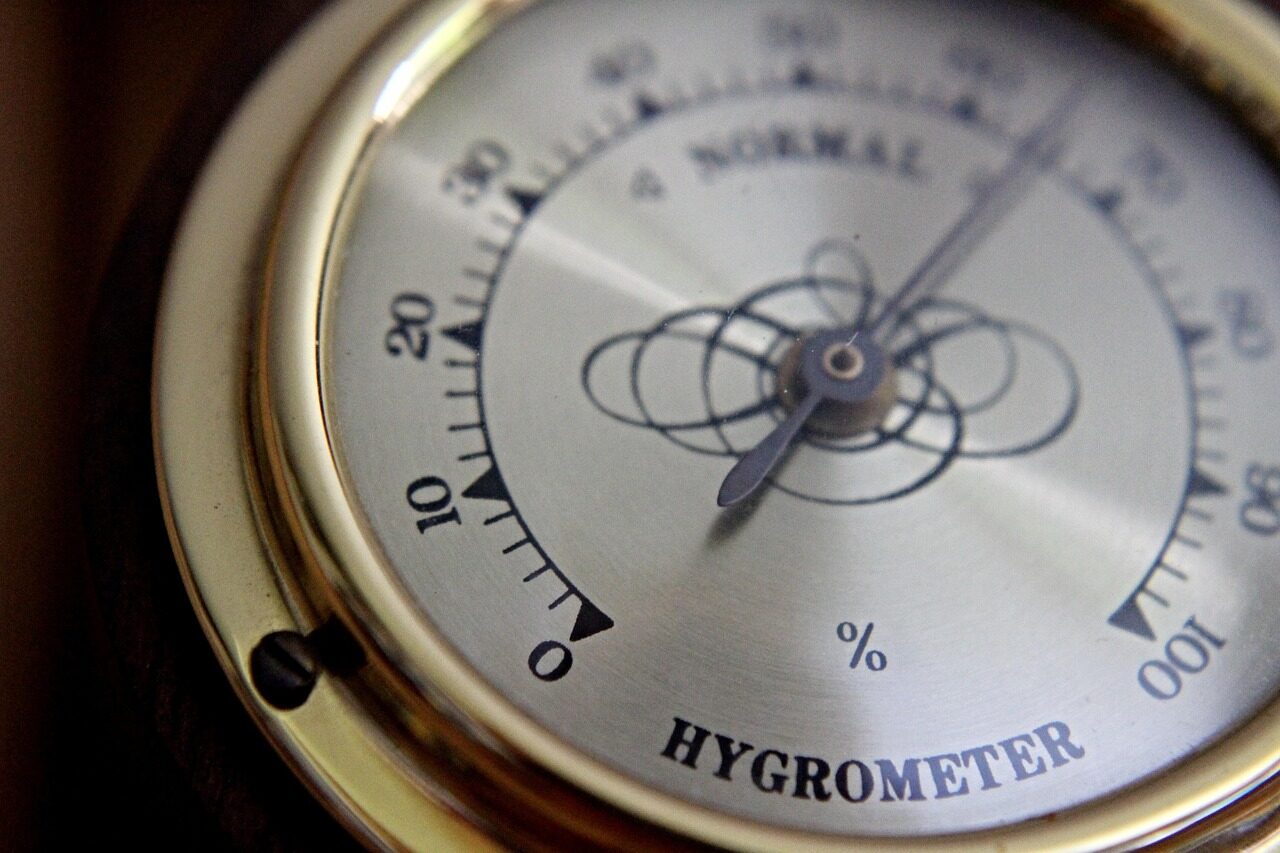
Analog hygrometers measure humidity using a hair or paper element that changes length with moisture content. As humidity changes, the element’s movement drives a needle across a humidity scale, providing real-time indoor or outdoor humidity readings.
How Analog Weather Stations Work
Unlike digital stations that require wireless sensors and processing units, analog weather instruments work through direct physical response to environmental conditions:
- Barometers respond to air pressure changes that compress or expand a sealed chamber, moving a needle to indicate rising or falling pressure.
- Thermometers rely on liquid expansion—as temperature rises or falls, the liquid inside expands or contracts, moving up or down a marked scale.
- Hygrometers use materials like human hair or paper that naturally absorb or release moisture, changing length as humidity fluctuates.
- Anemometers convert wind rotation directly into speed readings through mechanical gearing.
This direct mechanical response means analog instruments are sensitive, responsive, and require no calibration or wireless updates.
Best Uses for Analog Weather Stations
- Home weather monitoring: Wall-mounted barometers and thermometers provide decorative, functional weather displays in living rooms, kitchens, or offices.
- Outdoor recreation: Portable barometers and altimeters are invaluable for hikers, climbers, and sailors who need reliable pressure and weather data without electronics.
- Historical data: Barographs create a permanent record of pressure trends, useful for weather tracking, research, or simply documenting seasonal patterns.
- Off-grid living: Analog instruments provide complete independence from digital systems, power sources, and wireless networks.
- Educational displays: Analog weather instruments teach how weather instruments work and how to interpret atmospheric data.
Choosing an Analog Weather Station
When selecting analog weather instruments, consider:
- Accuracy: Mercury barometers are most accurate; aneroid barometers are reliable and practical for most uses.
- Purpose: Choose instruments matched to your needs—a simple wall barometer for home display, a portable altimeter for hiking, or a complete station for comprehensive monitoring.
- Durability: Look for quality construction, sealed instruments, and corrosion-resistant materials for outdoor use.
- Readability: Larger dials and clear markings make readings easier, especially in low light or from a distance.
If you have any questions before you buy, please contact us, we’d be glad to help!
The Timeless Appeal of Analog Weather Monitoring
In an era of digital weather apps and connected home devices, analog weather stations offer a refreshing alternative: reliable, beautiful instruments that require no batteries, no apps, and no internet connection. Whether you’re a weather enthusiast seeking accurate pressure readings, an outdoor adventurer needing dependable altitude data, or simply someone who appreciates the elegance of mechanical design, analog weather instruments deliver timeless functionality and lasting value.